FDA: Adding a Vitamin Does Not Stop a Compounded GLP-1 From Being a Copy
Published: September 28, 2026 · 3 min read · By Grey Peptides News Desk · ✓ Sourced
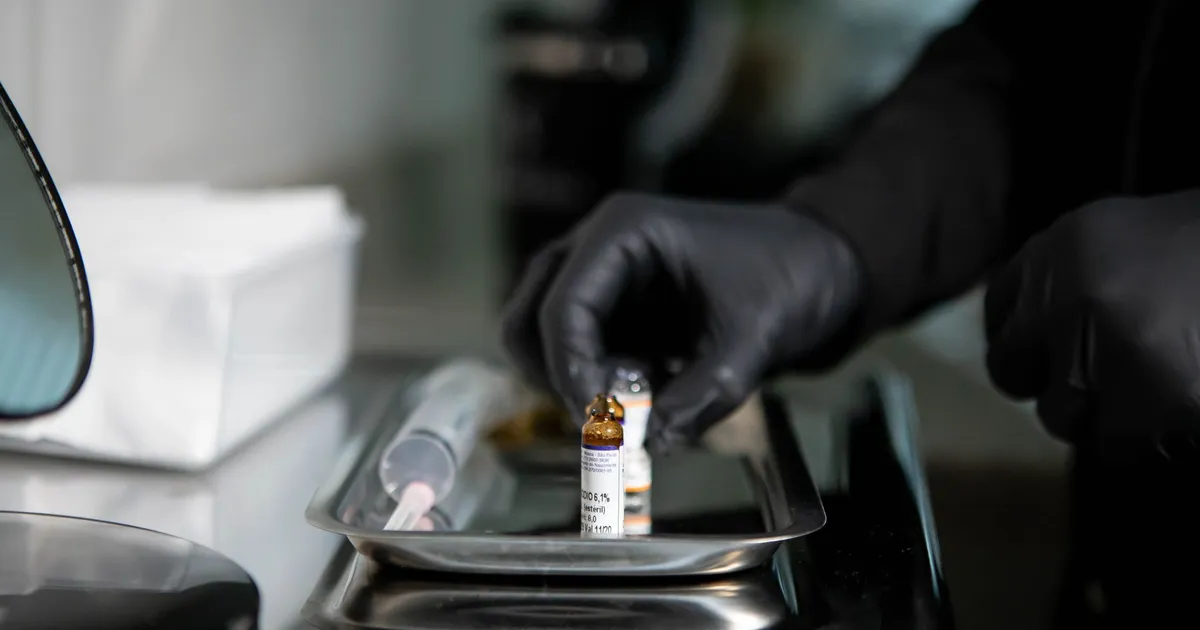
In a warning letter dated September 18, 2026 and posted September 22, FDA told Empower Pharmacy, a large Houston compounding pharmacy, that its tirzepatide with niacinamide and semaglutide with cyanocobalamin (vitamin B12) appear to be essentially copies of FDA-approved GLP-1 drugs, and that the volume it produced suggests the differences are pretextual. It is the clearest statement yet that adding a vitamin does not, by itself, make a compounded GLP-1 legal.
What the letter says
FDA investigators inspected the pharmacy from November 3 to 14, 2025. The letter names three products: tirzepatide with niacinamide in 4 mL vials (17 mg/2 mg per mL) and 2.5 mL vials (8 mg/2 mg per mL), and semaglutide with cyanocobalamin in 1 mL vials (5 mg/0.5 mg per mL). FDA says they appear to be essentially copies of approved semaglutide and tirzepatide products, compounded regularly and in inordinate amounts, and lists monthly order counts from July to October 2025 with the numbers redacted.
The evidence FDA describes is mostly about prescriptions. Some orders had no prescriber determination that the compounded drug made a significant difference for the patient. Others carried determinations that appeared word for word across many records, which FDA says suggests they were pre-written for prescribers to select, for example through third-party technology platforms offering menu options. FDA says that practice calls into question whether the determinations were made for an identified individual patient, which is what the law requires.
The letter also cites insanitary conditions for sterile products, including smoke studies of airflow that were not done under dynamic conditions and media fills not run under the most challenging conditions, along with CGMP violations. FDA found some of the pharmacy's corrective actions adequate and others deficient or not fully documented.
Why the vitamin does not settle it
Under section 503A, a pharmacy may not regularly compound essentially copies of a commercially available drug. A compounded product is not a copy if the prescriber determines that a change produces a significant difference for an identified individual patient. FDA's period of enforcement discretion for copies of semaglutide and tirzepatide injections ended on March 5, 2025 for tirzepatide and April 24, 2025 for semaglutide, after the shortages ended. Each product FDA named adds a vitamin to the GLP-1. The letter's answer is that, at this volume and with prescriptions like these, the difference appears pretextual rather than made for individual patients.
What it does not decide
A warning letter sets out FDA's position; it is not a court ruling. The pharmacy had 15 working days to respond, and FDA says failure to correct the violations may lead to seizure or injunction without further notice. The letter does not say every compounded semaglutide or tirzepatide product is unlawful: a genuine, patient-specific significant difference documented by the prescriber remains the condition in the statute. It also does not change the legal status our GLP-1 tracker records. It shows how FDA is applying that status to the largest suppliers.
Related on Grey Peptides
Where compounded semaglutide and tirzepatide stand, dated at source. Regulatory tracker
Every peptide's FDA, compounding and WADA status in one table. Insulin syringe units explained
Why a compounded dose written in units can go wrong.
FDA - Warning Letter 738238: Empower Clinic Services, LLC dba Empower Pharmacy (September 18, 2026)
Letter dated September 18, 2026; posted on fda.gov September 22, 2026. Inspection: November 3 to 14, 2025. Read in full September 28, 2026.