The Oral Peptide Breakthroughs of 2026: The Wegovy Pill, Icotrokinra and Enlicitide
Last updated: September 30, 2026 · 7 min read · By the Grey Peptides Editorial Board
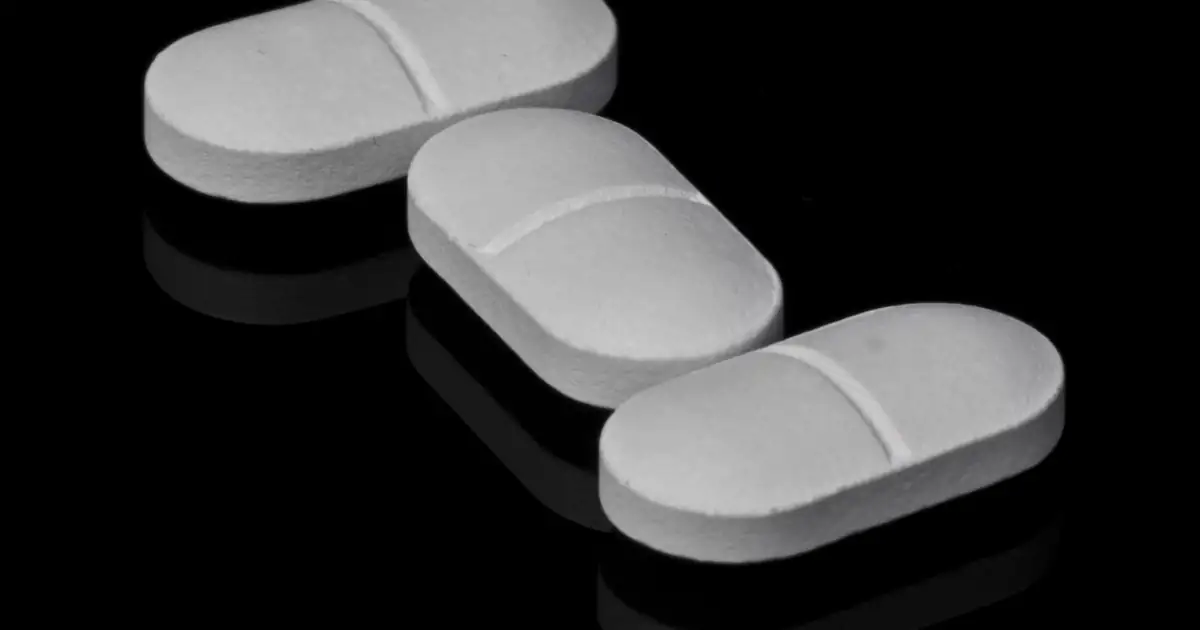

- Three peptide medicines are now swallowed rather than injected: semaglutide tablets for weight (Wegovy), icotrokinra for psoriasis (Icotyde) and enlicitide for LDL cholesterol (Lipfendra) 2 6 3.
- Each absorbs only a sliver of its dose: about 1% to 2% for semaglutide tablets and about 1% for enlicitide, against 89% for semaglutide injected 2 3.
- They work anyway because of engineering: a co-formulated absorption enhancer for semaglutide, and ring-shaped peptides that bind their targets at picomolar strength for the other two 4 6 9.
- The price of the pill is strict rules: an empty stomach, a little water, and 30 minutes before food. Most peptides, including every research peptide sold in capsules, have no published evidence of getting through at all.
Why peptides have needed needles
A peptide is a short chain of amino acids, and the digestive system exists to take such chains apart. Swallowed, a peptide meets stomach acid and digestive enzymes, then a mucus layer and an intestinal lining that lets large, water-loving molecules through only poorly. A 2020 review in Nature Reviews Drug Discovery sets out the barriers and the tricks tried against them, from permeation enhancers and enzyme inhibitors to cell-penetrating peptides, and traces decades of attempts with insulin, calcitonin, parathyroid hormone and vasopressin before oral semaglutide was approved for type 2 diabetes.1
The numbers explain why injection has been the default. Semaglutide injected under the skin reaches the circulation almost completely: its absolute bioavailability is 89%. Swallowed as a tablet, the figure is about 1% to 2%.2 Enlicitide, the new cholesterol pill, is also about 1%.3 Every oral peptide approved this far works with those odds, which is why each one needed a specific piece of engineering, and why each comes with instructions a person cannot ignore.
The Wegovy pill: semaglutide and SNAC
Wegovy tablets contain semaglutide co-formulated with salcaprozate sodium, known as SNAC, which the label calls an absorption enhancer.2 How it works was worked out by Novo Nordisk's scientists in people and dogs: absorption happens in the stomach, not the intestine, in a small area close to the dissolving tablet, and only when SNAC is present. SNAC buffers the acid around the tablet, which protects semaglutide from digestive enzymes, and briefly helps it cross the stomach lining through the cells themselves, without loosening the junctions between them.4
That mechanism explains the label's rules. The tablet is taken once a day on an empty stomach in the morning with no more than 4 ounces of plain water, swallowed whole, and followed by at least 30 minutes without food, other drinks or other oral medicines.2 The dose shows the cost of 1% absorption: the top tablet dose is 25 mg a day, about 73 times as much semaglutide each week as the 2.4 mg weekly injection.2
It works. In the 64-week trial behind the tablet's weight indication, 307 adults with obesity or overweight lost 13.6% of their weight on the 25 mg tablet against 2.4% on placebo, and 47% of those on the tablet lost at least 15%.2 The label also warns that blood levels vary more with tablets than with the injection, and that some people with type 2 diabetes may not reach therapeutic levels on tablets.2
Icotrokinra: an oral peptide for psoriasis
FDA approved Icotyde (icotrokinra) on March 17, 2026, for moderate-to-severe plaque psoriasis in adults and in children 12 and older who weigh at least 40 kg, on four trials involving 2,500 people at 496 sites in 17 countries.5 The drug is a peptide that binds the interleukin-23 receptor with a dissociation constant of 7 picomolar and blocks the cytokine that drives psoriatic inflammation, the same pathway targeted by injected antibodies.6 The dose is one 200 mg tablet a day, taken with water on waking, on an empty stomach, with 30 minutes before food; a high-fat meal cut its absorption by 43%.6
In ICONIC-LEAD, 684 adults and adolescents were randomised 2:1. At 16 weeks, 65% on icotrokinra had clear or almost clear skin against 8% on placebo, and 50% against 4% had a 90% improvement in their psoriasis score; adverse events were reported by 49% in both groups.7 In ICONIC-ADVANCE 1 and 2, icotrokinra also beat deucravacitinib, an existing oral psoriasis drug: in the first trial 68% reached clear or almost clear skin at 16 weeks against 11% on placebo, and it was superior to deucravacitinib on the trials' key comparisons.8 The label's warnings concern infections, including tuberculosis, and live vaccines.6
Enlicitide: a macrocyclic peptide for cholesterol
Enlicitide was designed to be swallowed. Merck's scientists used mRNA display, a screening method that searches huge libraries of peptides, to find a lead, then optimised it into a macrocyclic peptide, a ring-shaped molecule, that binds PCSK9 with an affinity of about 5 picomolar. In its first human studies, 20 mg once daily for 14 days lowered LDL cholesterol by up to 61% in people already taking statins.9 PCSK9 normally removes the liver's LDL receptors; blocking it leaves more receptors to clear LDL from the blood.3 Injected antibodies and an siRNA already lower LDL cholesterol through the same protein.9
FDA approved Lipfendra on July 15, 2026, the first PCSK9 inhibitor taken by mouth.10,9 It is taken as one 20 mg tablet each morning on an empty stomach with water, black coffee or plain tea, swallowed whole, with 30 minutes before food; the label lists sodium caprate among its ingredients and gives its bioavailability as about 1%.3 In CORALreef Lipids, 2,909 people with atherosclerotic disease or at risk of it, who needed further LDL lowering despite stable lipid-lowering treatment, were randomised 2:1 to enlicitide or placebo: LDL cholesterol fell 57.1% on enlicitide and rose 3.0% on placebo over 24 weeks, a difference of 55.8 percentage points, and adverse events did not appear to differ.11
Why 1% can be enough
The three drugs point to the same lesson. A peptide that is absorbed poorly can still work if it is potent enough, or if enough of it is swallowed. Icotrokinra and enlicitide bind their targets at picomolar concentrations, so the small fraction that reaches the blood is enough to block the pathway.6 9 Semaglutide tablets take the other route: a far larger dose, carried across by SNAC.2 4 All three pay for it with rules about timing and food, and with more variation between people than an injection gives.
Why most peptides still can't be swallowed
None of this makes peptides in general oral. The approved tablets are specific molecules with specific formulations, tested for how much of each dose reaches the blood. Semaglutide without SNAC is not absorbed meaningfully from the stomach at all.4 For the research peptides sold as capsules, nasal sprays or "oral" versions of injectable compounds, we have found no published human study measuring how much reaches the circulation; a capsule of a peptide that has never been tested this way is a guess about absorption, however it is labelled.
Oral does not always mean peptide, either. Foundayo (orforglipron), approved in 2026 as a daily pill that activates the GLP-1 receptor, is a small molecule, not a peptide.12 13 Our encyclopedia marks every entry's molecule class, and the entries for semaglutide and orforglipron show the difference.
What it means if you take one
For the conditions they treat, the pills are a real choice where only injections existed. The choice comes with conditions. Each has to be taken the same way every morning, and a coffee, a meal or another tablet taken too soon can reduce what is absorbed. For semaglutide, the injection delivers more reliable blood levels, and the label advises switching to it for people with type 2 diabetes who do not respond to the tablets.2 Our GLP-1 drug interactions guide covers what else the tablets interact with, including levothyroxine.
Frequently asked questions
Can peptides be taken as pills?
Some now can. Semaglutide (Wegovy tablets), icotrokinra (Icotyde) and enlicitide (Lipfendra) are approved as tablets, but each absorbs only about 1% to 2% of its dose and needs special engineering and strict dosing rules. Most peptides are still injected.
Why do oral peptides have to be taken on an empty stomach?
Food and other drinks reduce how much of a poorly absorbed peptide gets into the blood. Icotyde's absorption fell 43% after a high-fat meal, and all three labels require at least 30 minutes before eating.
Is the Wegovy pill as effective as the injection?
In its 64-week trial the 25 mg tablet produced 13.6% weight loss against 2.4% on placebo. The label notes blood levels vary more with tablets and advises switching to the injection for people with type 2 diabetes who do not respond.
What is SNAC?
Salcaprozate sodium, the absorption enhancer in semaglutide tablets. It buffers stomach acid around the tablet, protecting semaglutide from enzymes, and briefly helps it cross the stomach lining.
Are oral or capsule forms of research peptides absorbed?
We have found no published human study measuring how much of any capsule research peptide, such as BPC-157, reaches the blood. The approved oral peptides each needed specific engineering and testing to show absorption.
Related on Grey Peptides
- Semaglutide vs tirzepatide
- GLP-1 drug interactions
- Semaglutide encyclopedia entry
- Orforglipron encyclopedia entry
- Compound explorer (filter by molecule class)
- GLP-1 transition hub
Sources
- Drucker, D. J. (2020). Advances in oral peptide therapeutics. Nature Reviews Drug Discovery, 19(4), 277-289. PMID: 31848464 · doi:10.1038/s41573-019-0053-0
- Novo Nordisk. WEGOVY (semaglutide) injection and tablets, US prescribing information: tablets co-formulated with SNAC, an absorption enhancer; absorption predominantly in the stomach; absolute bioavailability about 1% to 2% for tablets and 89% for injection; administration (empty stomach, up to 4 oz water, 30 minutes); Study 7 (307 patients, 64 weeks, 25 mg tablet -13.6% vs -2.4%); variability and switching advice. DailyMed version of June 30, 2026, read September 30, 2026.
- Merck Sharp & Dohme. LIPFENDRA (enlicitide decanoate) tablets, US prescribing information: macrocyclic peptide PCSK9 inhibitor; 20 mg once daily on an empty stomach with water, black coffee or plain tea, 30 minutes before food; oral bioavailability approximately 1%; sodium caprate listed among inactive ingredients; CORALreef Lipids. DailyMed version of July 27, 2026, read September 30, 2026.
- Buckley, S. T. et al. (2018). Transcellular stomach absorption of a derivatized glucagon-like peptide-1 receptor agonist. Science Translational Medicine, 10(467), eaar7047. PMID: 30429357 · doi:10.1126/scitranslmed.aar7047
- U.S. Food and Drug Administration. Drug Trials Snapshots: ICOTYDE (original approval date March 17, 2026; four trials, 2,500 subjects, 496 sites in 17 countries). Read September 30, 2026. FDA
- Janssen Biotech. ICOTYDE (icotrokinra) tablets, US prescribing information: IL-23 receptor antagonist peptide (KD 7 pM); 200 mg once daily on an empty stomach upon waking, 30 minutes before food; high-fat meal reduced AUC by 43% and Cmax by 59%; warnings for infections, tuberculosis and live vaccines. DailyMed version of March 19, 2026, read September 30, 2026.
- Bissonnette, R. et al. (2025). Oral Icotrokinra for Plaque Psoriasis in Adults and Adolescents. New England Journal of Medicine, 393(18), 1784-1795. PMID: 41191940 · doi:10.1056/NEJMoa2504187
- Gold, L. S. et al. (2025). Once-daily oral icotrokinra versus placebo and once-daily oral deucravacitinib in participants with moderate-to-severe plaque psoriasis (ICONIC-ADVANCE 1 & 2): two phase 3, randomised, placebo-controlled and active-comparator-controlled trials. Lancet, 406(10510), 1363-1374. PMID: 40976249 · doi:10.1016/S0140-6736(25)01576-4
- Johns, D. G. et al. (2023). Orally Bioavailable Macrocyclic Peptide That Inhibits Binding of PCSK9 to the Low Density Lipoprotein Receptor. Circulation, 148(2), 144-158. PMID: 37125593 · doi:10.1161/CIRCULATIONAHA.122.063372
- U.S. Food and Drug Administration. Novel Drug Approvals for 2026 (Lipfendra, enlicitide decanoate, approved July 15, 2026; content current as of September 28, 2026). Read September 30, 2026. FDA
- Navar, A. M. et al. (2026). A Placebo-Controlled Trial of the Oral PCSK9 Inhibitor Enlicitide. New England Journal of Medicine, 394(6), 529-539. PMID: 41879224 · doi:10.1056/NEJMoa2511002
- Eli Lilly and Company. FOUNDAYO (orforglipron) tablets, US prescribing information: a GLP-1 receptor agonist tablet taken once daily; initial US approval 2026. DailyMed version effective July 29, 2026, read September 30, 2026.
- Wharton, S. et al. (2025). Orforglipron, an Oral Small-Molecule GLP-1 Receptor Agonist for Obesity Treatment. New England Journal of Medicine, 393(18), 1796-1806. PMID: 40960239
This article explains how three approved medicines work and what their labels and trials report. It is not medical advice; whether a pill or an injection suits a person is a decision for their prescriber.
New guides and rule changes, by email
One short email when a peptide's legal status moves — an FDA or PCAC decision, a WADA list change, an enforcement action — plus new guides and tools. At most one a week, and none when nothing changes. The newsletter has not started sending yet: your first email will be its first issue.
We keep your email address and the page you signed up from, nothing else. How it works · Privacy · RSS instead