Two Peptides in Tablet Form: FDA's 2026 Approvals of Icotyde and Lipfendra
Published: September 30, 2026 · 3 min read · By Grey Peptides News Desk · ✓ Sourced
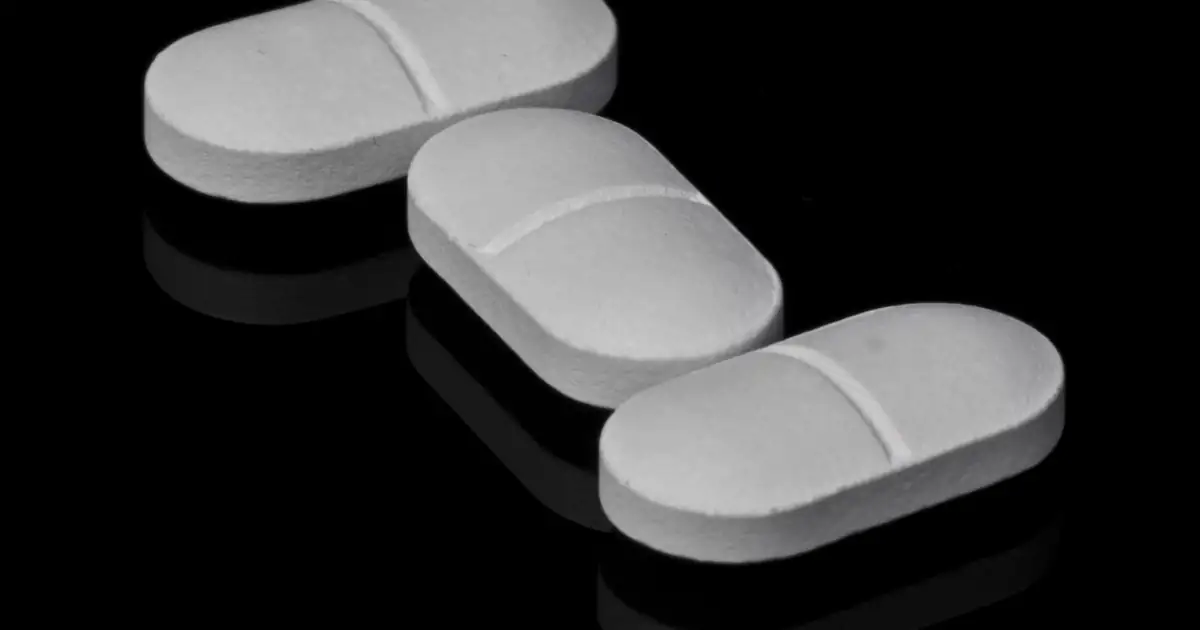
FDA approved two peptide drugs taken as daily tablets in 2026: Icotyde (icotrokinra, Johnson & Johnson) on March 17 for moderate-to-severe plaque psoriasis, and Lipfendra (enlicitide, Merck) on July 15 to lower LDL cholesterol. Each is engineered to survive digestion and is taken on an empty stomach; neither says anything about whether unapproved peptides work when swallowed.
Two peptides that survive the gut
Most peptide drugs are injected because the digestive system breaks peptides down before they can be absorbed. FDA's list of novel approvals for 2026 includes two exceptions. Icotyde, a 13-amino-acid peptide from Johnson & Johnson, was approved on March 17 for moderate-to-severe plaque psoriasis. Lipfendra, a macrocyclic peptide from Merck, was approved on July 15 to lower LDL cholesterol. Both are once-daily tablets taken first thing in the morning on an empty stomach, with a 30-minute wait before food.
Icotyde: blocking IL-23 from a tablet
Icotrokinra binds the interleukin-23 receptor, the pathway the most effective injected psoriasis antibodies target, and blocks it. It is approved for adults and for children 12 and older who weigh at least 40 kg and are candidates for systemic therapy or phototherapy, at 200 mg a day. In the two ICONIC-ADVANCE trials of 1,505 adults, 68% and 70% of people on icotrokinra had clear or almost clear skin at week 16, against 11% and 9% on placebo, and most responses held through a year. The label warns about infections, suggests considering tuberculosis testing, and advises against live vaccines. The European Commission authorised it on September 18.
Lipfendra: a PCSK9 inhibitor in a pill
Enlicitide blocks PCSK9, the protein that destroys LDL receptors, the same target as the injected antibodies evolocumab and alirocumab. It is approved alongside diet and exercise for adults with high LDL cholesterol, including the inherited form, at one 20 mg tablet a day. In CORALreef Lipids, 2,909 adults already on statins saw LDL fall 57% at week 24 against a 3% rise on placebo; in familial hypercholesterolaemia the fall was 58%. The label lists no contraindications. Heart-attack and stroke outcomes for enlicitide itself are not yet in the label, and it has no EU authorisation.
What these approvals do not mean
Both drugs were engineered, molecule by molecule, to resist digestion, and both reached approval through phase 3 trials of their own finished tablets. That is the opposite of taking an injectable research peptide by mouth. Nothing in either approval suggests that BPC-157 capsules or oral TB-500 are absorbed or work; those claims remain untested in people. Our entries for icotrokinra and enlicitide set out the trials, dosing and safety in full.
Related on Grey Peptides
The ICONIC trials, the label and the EU authorisation. Enlicitide encyclopedia entry
The CORALreef trials, pharmacology and dosing. Oral peptides in 2026
Which peptides work by mouth, and why most do not.
U.S. Food and Drug Administration - Novel Drug Approvals for 2026
Page content current as of September 28, 2026, read September 30, 2026; application numbers from Drugs@FDA; dosing and trial figures from the two labels on DailyMed; EU status from EMA's register.