FDA Approves Rusfertide (Mimrylo), the First Hepcidin Mimetic for Polycythemia Vera
Published: October 1, 2026 · 4 min read · By Grey Peptides News Desk · ✓ Sourced
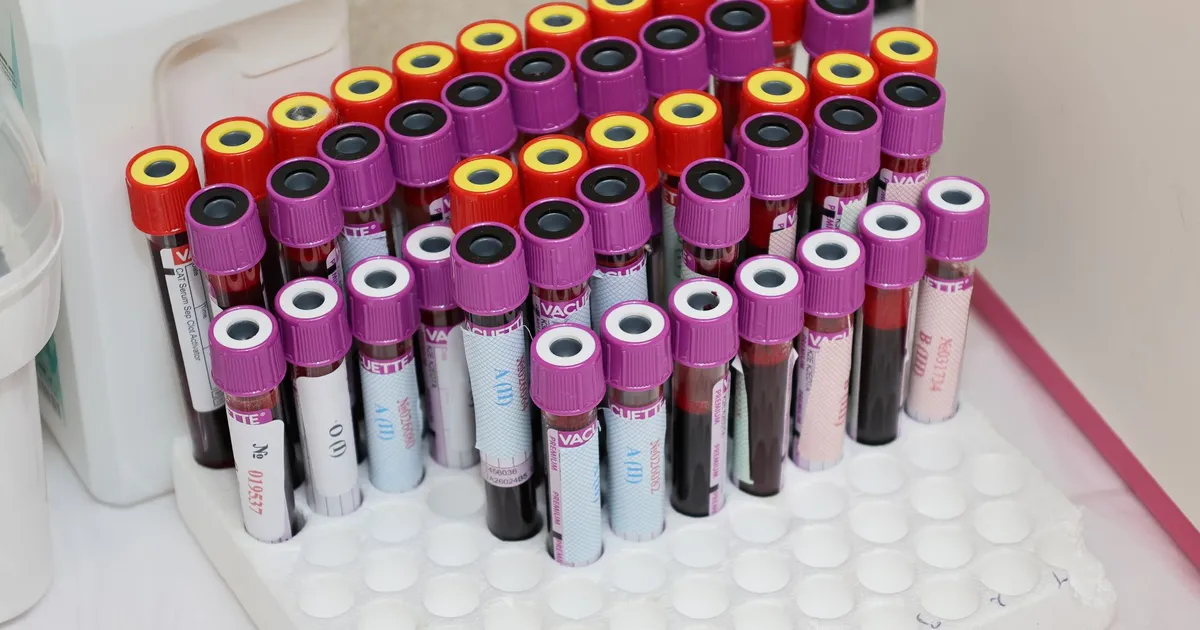
FDA approved Mimrylo (rusfertide, Takeda) on August 28, 2026 for adults with polycythemia vera, the first approved treatment for the disease that mimics hepcidin, the hormone that regulates iron. In the phase 3 VERIFY trial, 76.9% of patients on rusfertide did not meet criteria for phlebotomy between weeks 20 and 32, against 32.9% on placebo. Whether it lowers the risk of blood clots, the reason hematocrit is controlled at all, has not been shown.
What FDA approved
On August 28, 2026, FDA approved Mimrylo (rusfertide) for adults with polycythemia vera, a rare blood disorder in which the body makes too many red blood cells. The excess thickens the blood and raises the risk of clots, stroke and heart attack, so treatment aims to keep the hematocrit, the share of the blood made up of red cells, below 45%. Many patients reach that target only by repeated phlebotomy, the removal of blood from a vein.
FDA calls rusfertide the first approved treatment for polycythemia vera that mimics hepcidin, the hormone that naturally regulates iron in the body. By limiting the iron available to make new red blood cells, it slows their overproduction. It is a peptide, given as an injection under the skin once a week. The application, NDA 220605, received priority review and was approved for Takeda Pharmaceuticals America.
What the phase 3 trial measured
The approval rests on VERIFY, a randomized, double-blind, placebo-controlled trial in 293 adults who still needed frequent phlebotomies despite standard treatment. Patients were assigned one to one to rusfertide or placebo for 32 weeks, with the dose adjusted to keep hematocrit below 45%.
The primary measure was the share of patients who did not meet the criteria for phlebotomy between weeks 20 and 32. According to FDA, 76.9% on rusfertide met that standard, against 32.9% on placebo. FDA's announcement also describes the same figures as patients needing no phlebotomy across the whole 32 weeks; the endpoint it defines covers weeks 20 to 32, and we report it that way. The most common adverse reactions were injection-site reactions and anemia.
What the evidence does not yet show
VERIFY's full results have not yet appeared in a journal indexed in PubMed, which we searched on October 1, so the figures above are FDA's summary rather than a peer-reviewed report. The earlier phase 2 trial, REVIVE, was published: in its randomized withdrawal period, 60% of patients kept on rusfertide responded, against 17% switched to placebo (Kremyanskaya et al., NEJM 2024).
Both trials measured blood counts and phlebotomy, not clots. A 2026 review in Blood Reviews makes the point directly: the evidence for rusfertide rests largely on these surrogate measures, and whether restricting iron reduces thrombotic risk or changes the course of the disease remains undefined (Costa et al., 2026). Fewer phlebotomies are a real gain for patients; fewer strokes would be a different claim, and it has not been made.
A year of peptide approvals
Rusfertide is the fourth peptide of 40 amino acids or fewer that FDA has approved in 2026, by our count from Drugs@FDA: navepegritide for achondroplasia in February, icotrokinra for plaque psoriasis in March, enlicitide for high LDL cholesterol in July, and rusfertide in August. Two of those, icotrokinra and enlicitide, are tablets, which we covered in our report on 2026's oral peptide approvals; rusfertide is injected. Our list of every FDA-approved peptide drug sets each one against its application number and date.
An approval for polycythemia vera says nothing about any other use. Rusfertide works by starving red-cell production of iron, which is the point in a disease of too many red cells; even there, anemia was among its most common adverse reactions.
Related on Grey Peptides
The trials, the pharmacology and the label. 2026's oral peptide approvals
Icotyde and Lipfendra, the two peptides approved as tablets this year. Every FDA-approved peptide drug
The complete list, checked against Drugs@FDA.
U.S. Food and Drug Administration - FDA Approves First Drug of Its Kind for Polycythemia Vera
Published August 28, 2026, read October 1, 2026; application number and date from Drugs@FDA (NDA 220605); trial registration NCT05210790 on ClinicalTrials.gov; PubMed searched October 1, 2026, with no journal report of VERIFY indexed.