EU Regulators Recommend Yuviwel, the Weekly CNP Injection for Achondroplasia
Published: November 3, 2026 · 3 min read · By Grey Peptides News Desk · ✓ Sourced
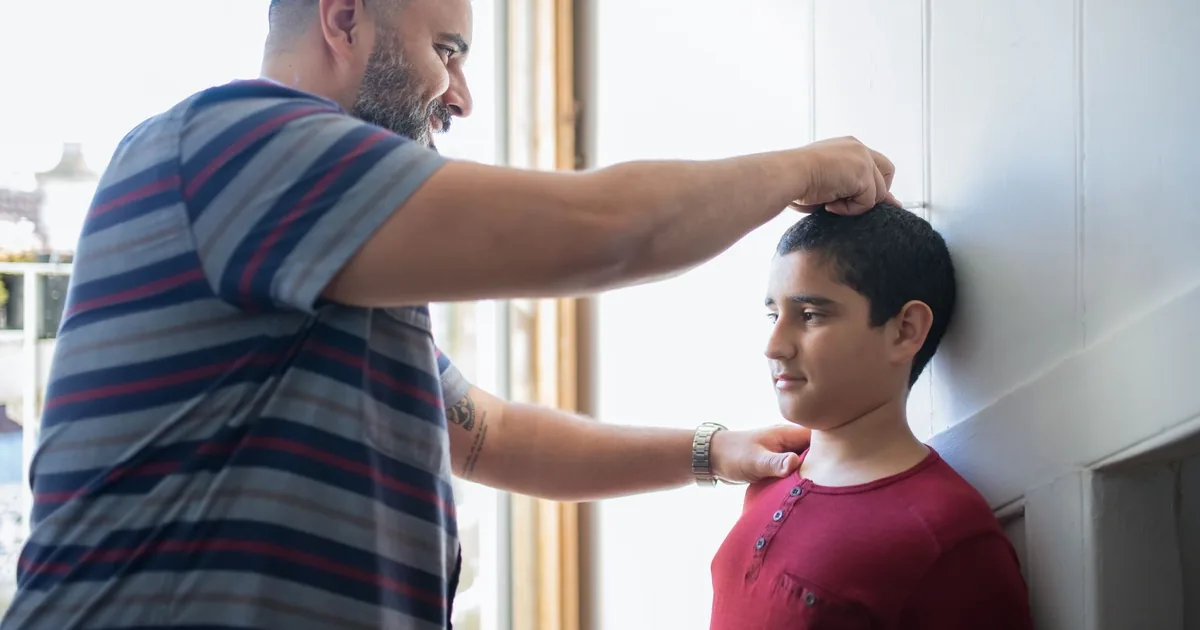
The European Medicines Agency's medicines committee, the CHMP, recommended at its October 12-15 meeting that Yuviwel (navepegritide) be authorised in the EU for the treatment of achondroplasia in children. Yuviwel is a once-weekly injection that releases C-type natriuretic peptide (CNP) slowly. It is not yet authorised in the EU until the European Commission, which takes the final decision, grants it.
What happened
The CHMP is the EMA committee that assesses medicines for the European Union. At its October 12-15, 2026 meeting it adopted six positive opinions on new medicines, and EMA's published highlights list Yuviwel among them, "for the treatment of achondroplasia in children". EMA notes that Yuviwel was designated an orphan medicine, the status given to treatments for rare conditions. The highlights list it as pending a decision by the European Commission, which grants the authorisation itself.
What Yuviwel is
Achondroplasia is caused by a change in the FGFR3 gene that over-brakes bone growth at the growth plates. CNP is the body's own signal that counteracts that brake. Navepegritide links CNP to a carrier that releases it steadily, so one weekly injection gives continuous exposure. Vosoritide, the first CNP drug for achondroplasia, has been authorised in the EU since 2021 and is injected daily.
The evidence behind it
In the published APPROACH trial, 84 children with achondroplasia were randomised 2:1 to weekly navepegritide or placebo. At 52 weeks, those on navepegritide grew 1.49 cm a year faster than those on placebo, with improved leg alignment and low rates of injection-site reactions. FDA granted Yuviwel accelerated approval on February 27, 2026, for children 2 and older whose growth plates are still open.
What it means for readers
If the Commission authorises it, families in the EU will have a weekly option alongside daily vosoritide. Authorisation is EU-wide, but each country then decides on pricing and reimbursement, so availability will differ from country to country and may take months.
What is not yet known
EMA's highlights do not give the final wording of the indication, including the lowest age covered, or say whether the authorisation would be conditional; the product information follows the Commission's decision. As with vosoritide, growth velocity over one year is what the trials measured. Whether navepegritide changes adult height, or the medical complications of achondroplasia, is not yet known. Younger children are still being studied: a placebo-controlled trial in infants under 2 years (NCT06079398) is registered to reach primary completion in December 2027, and a phase 2 trial, COACH (NCT06433557), is testing navepegritide together with the weekly growth hormone lonapegsomatropin.
Related on Grey Peptides
The APPROACH trial, label dosing and how it differs from vosoritide. Vosoritide encyclopedia entry
The daily CNP analogue authorised since 2021. Vosoritide in hypochondroplasia
The phase 3 trial in a related growth condition.
EMA - Meeting highlights from the CHMP, 12-15 October 2026
EMA's meeting highlights, published October 16, 2026, read in full on November 3, 2026. The US approval and trial figures are from the FDA approvals list and the published APPROACH trial, cited on the navepegritide entry.